
World Cup 2026 Transit Guide: Get to Every Stadium
Public transit is the cheapest way to reach World Cup 2026 stadiums: Atlanta's MARTA is a $5 round trip, Philadelphia's SEPTA is $2.90 with free post-match rides, and Seattle sells an $18 three-day pass. Here's the match-day transit playbook plus how to navigate it online.
Published June 11, 2026·5 min read
Summary
Public transit is the cheapest, and often fastest, way to reach World Cup 2026 stadiums: Atlanta's MARTA is a $5 round trip to Vine City Station, Philadelphia's SEPTA Broad Street Line is $2.90 with free post-match rides, and Seattle sells an $18 World Cup 3-Day Pass. Across 16 host cities, here is the match-day transit playbook — and how to navigate it online.
Transit beats driving on match day
On match days, road closures around stadiums, premium parking and post-match gridlock make rail and bus the smart choice. Many host cities are adding frequent service and extended hours for the tournament — Atlanta's MARTA promises extra trains and enhanced wayfinding on match days. Leave the rental car parked and ride in.
Match-day transit by city
| City | Transit option | Fare |
|---|---|---|
| Atlanta | MARTA to Vine City Station | $5 round trip |
| Philadelphia | SEPTA Broad Street Line | $2.90 (free post-match) |
| Seattle | Regional transit (Link / bus) | $18 World Cup 3-Day Pass |
| New York/New Jersey | NJ Transit rail to Meadowlands | Standard rail fare |
Pre-load your stadium's getting-there guide
Every venue has its own quirks, so read the route before you go. We have city-by-city walkthroughs for Atlanta, Philadelphia, Seattle and New York/New Jersey, plus the rest of the host cities.
eSIM vs roaming vs pocket Wi-Fi for World Cup travel
| Option | Cost | Setup time | Coverage |
|---|---|---|---|
| eSIM | Low | ~5 min (pre-install on Wi-Fi) | Excellent (local carrier) |
| Carrier roaming | High | Instant (already enabled) | Medium (partner-dependent) |
| Pocket Wi-Fi | Medium | Airport pickup / rental | Good (extra device to charge) |
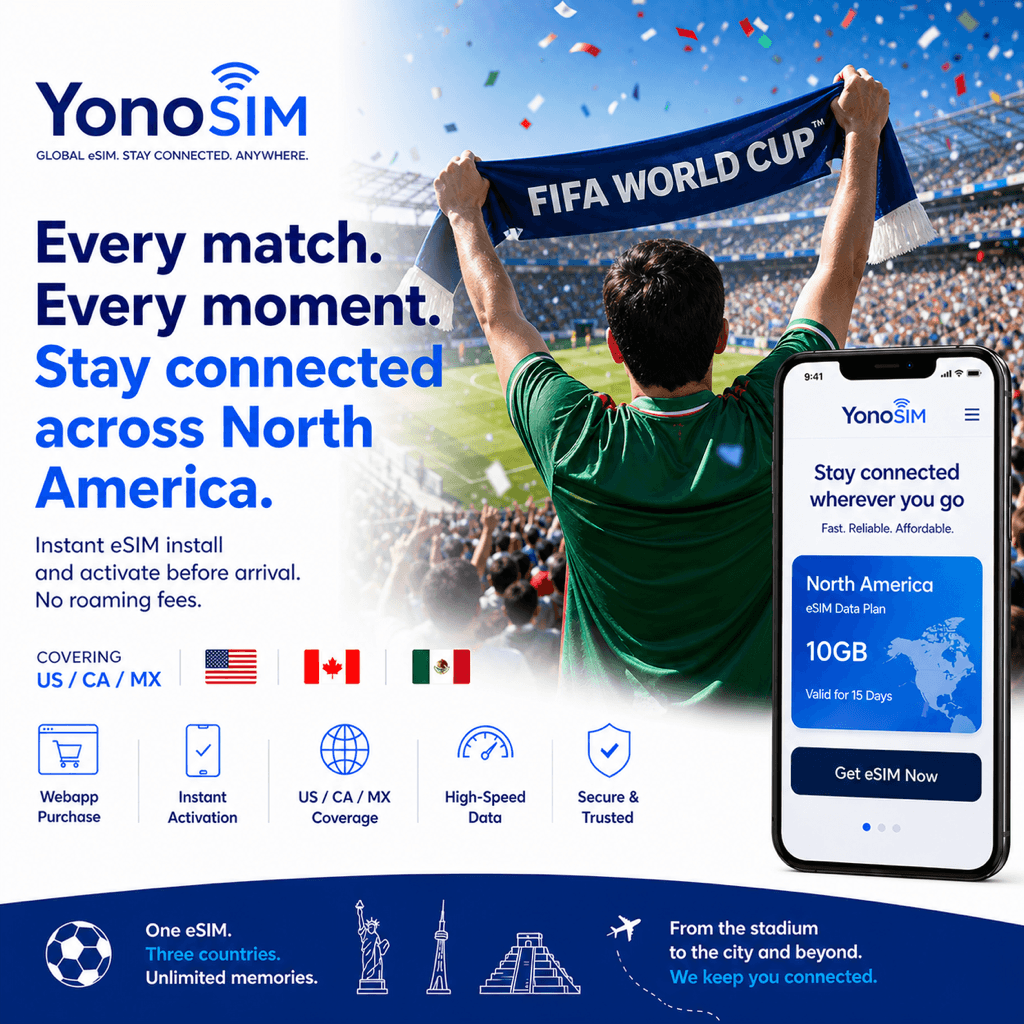
Transit apps, live arrivals and mobile fares all need data, and match-day schedules change. A North America eSIM keeps maps and ticketing apps working across every host city on one plan, from US$5 with Apple Pay, Google Pay, or card — no scrambling for station Wi-Fi when your train is rerouted.
FAQ
QWhat is the cheapest way to get to World Cup 2026 stadiums?
APublic transit is the cheapest and often fastest option. Atlanta's MARTA to Vine City Station is a $5 round trip, Philadelphia's SEPTA Broad Street Line is $2.90 each way, and Seattle sells an $18 World Cup 3-Day regional transit pass.
QDoes any host city offer free match-day transit?
AYes — Philadelphia offers free post-match rides home on match days, sponsored by Airbnb and running for two hours after each match ends. Most other cities run frequent, extended transit service on match days but still charge standard fares.
QShould I drive or take transit to World Cup 2026 matches?
ATransit is usually the better choice. Match-day road closures, premium parking prices and post-match gridlock make rail and bus faster and cheaper, and many host cities are adding extra service and extended hours for the tournament.
QHow do I navigate transit in an unfamiliar host city?
ALive transit apps and maps need data, and schedules can change on match days, so an always-on connection matters. A pre-installed eSIM works across all US, Canadian and Mexican host cities so you can plan routes and buy mobile fares anywhere.
Bottom line
Ride transit, buy the pass that fits your stay, and budget extra time after the final whistle. Pre-read your stadium getting-there guide, check the arrival-day checklist, and keep maps live with a World Cup 2026 eSIM.